
Unlocking Athletic Power at Plejfitness Through Olympic Lifting and Plyometrics
- Plejfitness

- Dec 12, 2025
- 4 min read
Athletic power is the foundation of many sports and physical activities. It combines strength, speed, and explosive movement to give athletes an edge in performance. At Plejfitness, building this power is a key focus, using proven methods like Olympic lifting, plyometrics, and speed work. These training techniques work together to develop the fast-twitch muscle fibers and neuromuscular coordination needed for peak athletic output.
This post explores how Plejfitness approaches athletic power training, breaking down the benefits and practical applications of Olympic lifting, plyometric exercises, and speed drills. Whether you are an athlete looking to improve your game or a fitness enthusiast aiming to boost your overall power, understanding these methods can help you train smarter and more effectively.
The Role of Athletic Power in Performance
Athletic power is the ability to exert maximum force in the shortest time. It is crucial for actions like sprinting, jumping, throwing, and changing direction quickly. Power differs from pure strength because it emphasizes speed of movement, not just how much weight you can lift.
Developing power improves:
Explosiveness in movements such as jumping or sprinting
Reaction time during rapid changes in direction
Force production in short bursts, essential for many sports
Overall athleticism and injury resilience
At Plejfitness, power training is not isolated but integrated with technique and conditioning to create well-rounded athletes.
Olympic Lifting: Building Explosive Strength
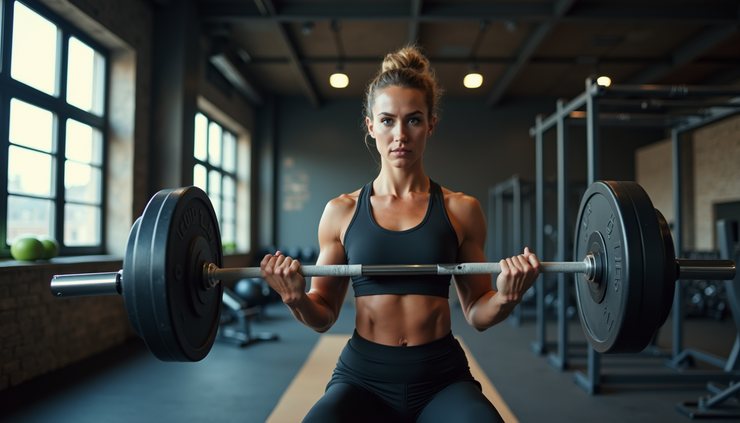
Olympic lifts like the snatch and clean and jerk are complex, full-body movements that develop power through rapid, coordinated muscle contractions. These lifts require strength, speed, balance, and flexibility, making them ideal for athletic power development.
Why Olympic Lifting Works for Power
Fast muscle recruitment: Olympic lifts train the nervous system to activate muscles quickly.
Full-body engagement: They involve multiple joints and muscle groups working together.
Improved coordination: The technical nature enhances motor control and timing.
Increased rate of force development: Athletes learn to generate force rapidly, a key to power.
How Plejfitness Incorporates Olympic Lifting
At Plejfitness, coaches emphasize proper technique before adding heavy loads. Beginners start with drills using light bars or PVC pipes to master movement patterns. Progression includes:
Snatch pulls and clean pulls to focus on the explosive phase
Full lifts with increasing weight for strength and power gains
Accessory exercises like front squats and overhead presses to support lifts
This structured approach reduces injury risk and maximizes power output.
Plyometrics: Training Explosiveness and Elasticity
Plyometric exercises involve rapid stretching and contracting of muscles, known as the stretch-shortening cycle. These drills improve the muscles’ ability to generate force quickly and efficiently.
Benefits of Plyometrics for Athletes
Enhances jump height and sprint speed
Improves reactive strength and agility
Develops tendon stiffness for better energy transfer
Increases neuromuscular efficiency
Common Plyometric Exercises at Plejfitness
Box jumps: Jumping onto elevated platforms to build leg power
Depth jumps: Stepping off a box and immediately jumping upward to train reactive strength
Bounding: Exaggerated running strides to improve stride length and power
Medicine ball throws: Explosive upper body power development
Plejfitness programs plyometrics carefully, balancing intensity and volume to avoid overtraining and injury.
Speed Work: Enhancing Power Through Velocity
Speed work complements Olympic lifting and plyometrics by training the nervous system to move limbs faster. Faster limb movement translates to quicker force application, which is essential for power.
How Speed Training Builds Power
Improves stride frequency and ground contact time
Enhances muscle firing rates
Develops fast-twitch muscle fibers
Increases overall movement efficiency
Speed Drills Used at Plejfitness
Sprints over short distances (10-30 meters) focusing on acceleration
Resisted sprints using sleds or bands to build force production
Overspeed training with slight assistance to increase leg turnover
Agility ladder drills to improve foot speed and coordination
These drills are integrated into training cycles to peak power output during competition or testing.
Combining Olympic Lifting, Plyometrics, and Speed Work
The greatest gains in athletic power come from combining these three training methods. Each targets a different aspect of power:
Olympic lifting builds raw strength and explosive force
Plyometrics train the muscles’ elastic properties and reactive ability
Speed work enhances the velocity of movement
At Plejfitness, athletes follow periodized programs that cycle through phases emphasizing each method. For example:
Phase 1: Focus on technique and strength with Olympic lifts
Phase 2: Introduce plyometric drills to develop explosiveness
Phase 3: Add speed work to increase movement velocity
Phase 4: Combine all elements for peak power performance
This approach ensures balanced development and reduces the risk of plateaus or injury.
Practical Tips for Training Athletic Power
If you want to build athletic power like the athletes at Plejfitness, keep these tips in mind:
Master technique first: Proper form in Olympic lifts and plyometrics prevents injury and improves results.
Warm up thoroughly: Dynamic warm-ups prepare muscles and joints for explosive work.
Progress gradually: Increase load, intensity, and volume step-by-step.
Include recovery: Power training is demanding; rest and nutrition are essential.
Train consistently: Power develops over time with regular, focused sessions.


Comments